
West Seattle, Washington
30 Sunday
Sent late tonight by Dan:
Tonight while walking home between 36th Ave SW and 37th Ave SW on Trenton, an owl attacked me twice around 9:30 pm. No serious injury, but thought other nearby residents should know.
You can learn more about this owl behavior by checking out this Department of Fish and Wildlife fact sheet, choosing “Preventing Conflicts,” and scrolling down to “Dive-Bombing Owls.”
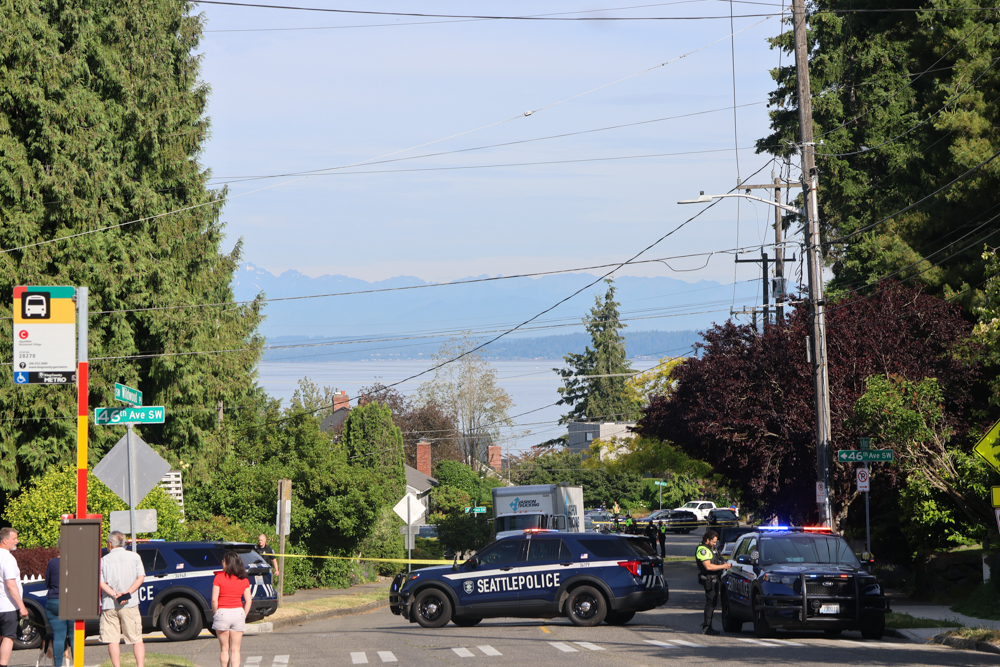
Most of the time, late-night loud explosions go unexplained. Not this one, within the past hour. According to police radio, somebody blew up a portable toilet on 45th SW near SW Wildwood Place. The dispatcher suggested it might be city-owned; there’s City Light work south of there and Seattle Public Utilities work north of there. No fire or injuries reported, but officers were on the way to investigate “debris in the street.”
 (WSB photos by Macey Wurm)
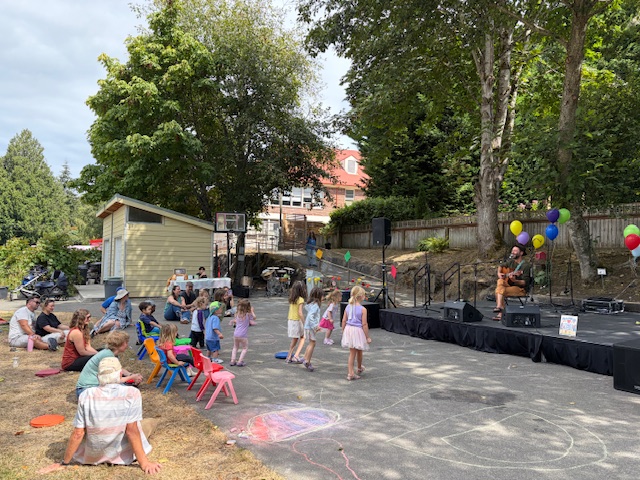
One more note about the weekend before it’s too far back in the rear-view mirror – organizers of the free KindieWest family-music (and more) festival on Sunday at Fauntleroy Schoolhouse have a message of gratitude. They told us they’re hoping it’ll become a tradition!
What an incredible day! At our peak time midday, nearly 300 people were present, and throughout the event, KindieWest reached more than 500 community members—all through the power of music.
As a nonprofit navigating a challenging economic climate, we’re deeply grateful to every local organization, artist, volunteer, partner, and individual who came together to make KindieWest possible. We hope you felt the genuine connection and community spirit that made the festival so special.
This was our first time organizing an event like this. Our core team took this on as a volunteer project putting this together with full-time jobs, many with kids, all of us with life chaos, so it truly took some nights, patience, and a shared belief in bringing people together.
We hope to make KindieWest an annual tradition and explore more partnership opportunities throughout the year through FCSA programming at the historic Fauntleroy Schoolhouse. Attendees kept letting us know how much they loved the flow of the event, each element, the conversations they had, the safe and warm environment for children, and all the special activities you all helped bring together.
And just for fun – our aftercare program runs the Moonbeam Store – those kids worked hard and made nearly $500 toward their summer program field trips!!
Thank you for believing in this event and our community. If you have feedback or ideas, we’d love to hear!
Tomorrow’s the day! 10 am Sunday, the place for families to be is the Fauntleroy Schoolhouse (9131 California SW). We got more details today about tomorrow’s free-admission KindieWest concert – and more:
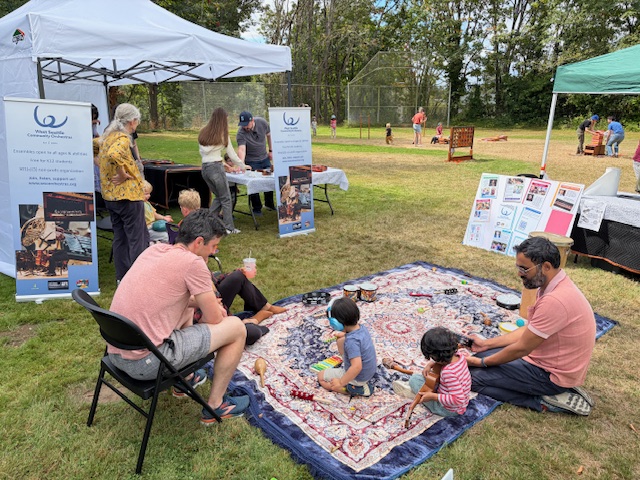
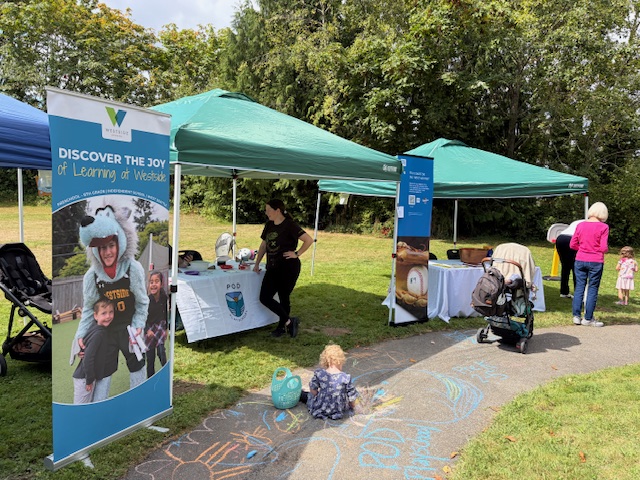
We are so excited and the lineup has gotten even bigger! Head over to KindieWest Music Fest at Fauntleroy Schoolhouse (behind the building in the back parking lot) tomorrow for our free family-friendly community concert.
What’s happening on August 23rd 10 am-1 pm
Music program:
West Seattle Community Orchestras Instrument Petting Zoo
Sunshine Music Together LLC interactive program
The Harmonica Pocket
Eli Rosenblatt
Brian Vogan and his Good Buddies
Westside School teacher finalePlus!
Off The Block Games with lawn games
Fauntleroy Children’s Center student-led store and playground open
@filterandshotcoffee (yes for tired parents)
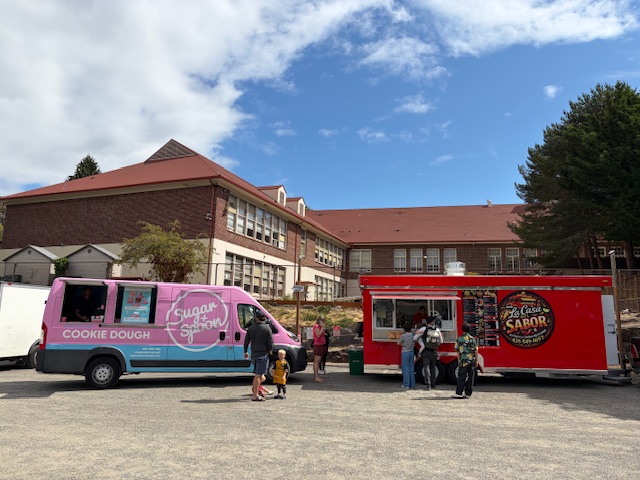
Sugar and Spoon dessert truck
La Casa Del Sabor food truck (local neighborhood favorite)
No RSVP required – just show up!
 (WSB photos)
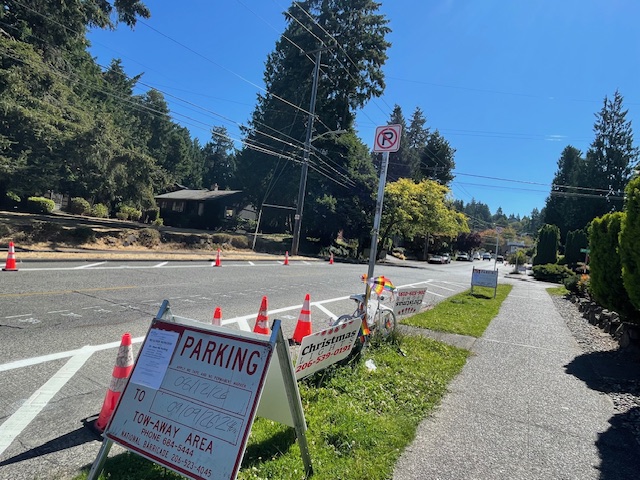
After SDOT told us Wednesday that crews would be out today making promised changes on SW Wildwood Place, and when we went over to check today, we found that indeed they are.
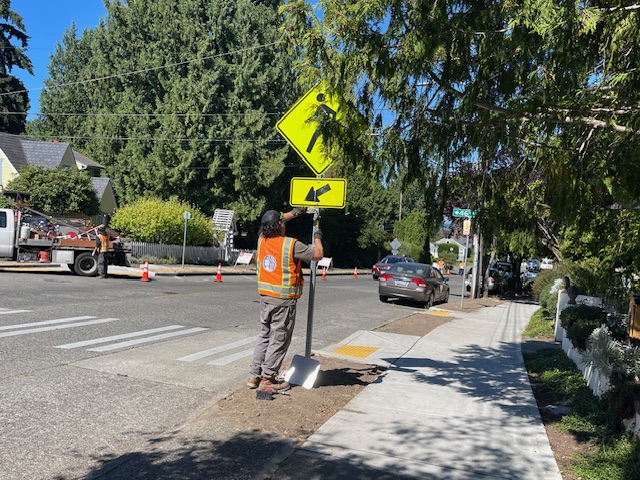
They’re installing permanent no-parking signage as well as reinforcing the no-parking zones on both sides of the street, which is just southeast of the Fauntleroy ferry dock, with pavement paint.
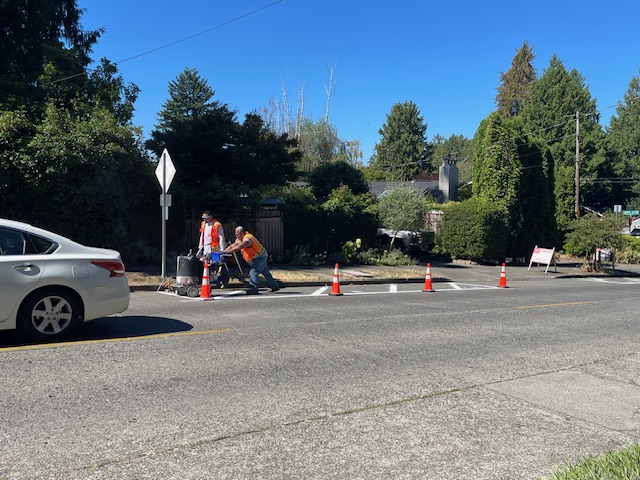
This comes a little over two months after the death of bicycle rider Maridee Bonadea, and a little over a week after a public forum about bicycling safety in the area; the removal of south-side parking was one of the changes SDOT promised, while they say they’re still studying others, including a possible all-way stop at Fauntleroy and Wildwood.
Thanks to Al for the tip. Endolyne Joe’s in Fauntleroy is closed until Thursday (August 20) for floor refinishing. The sign posted at the restaurant says they expect to reopen at 4 pm Thursday, in time for dinner service.
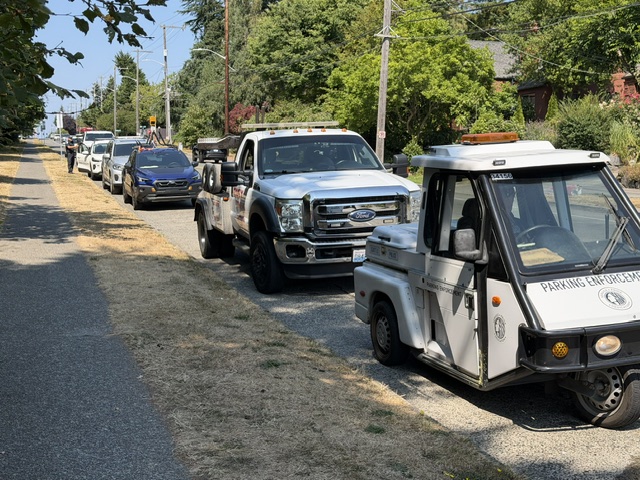 (Photo by Clarence Higuera)
One of the street-safety challenges mentioned at last week’s Fauntleroy Community Association-convened forum about bicycling safety was the mingling of parking spaces with ferry queueing on Fauntleroy Way alongside Lincoln Park (and sometimes beyond). At 2 pm weekdays, the space becomes a no-parking zone – and today, right at 2, SPD parking-enforcement officers and tow trucks were there, ready to pounce on violators, WSB contributor Anne Higuera noticed. We’re checking on whether today’s crackdown was part of the SDOT-led response.
As this weekend comes to a close, we’re looking ahead to a couple of big events next weekend. One is the return of KindieWest live family/kid-geared music at Fauntleroy Schoolhouse, this time as one big free concert next Sunday (August 23) – here’s the poster with the lineup!
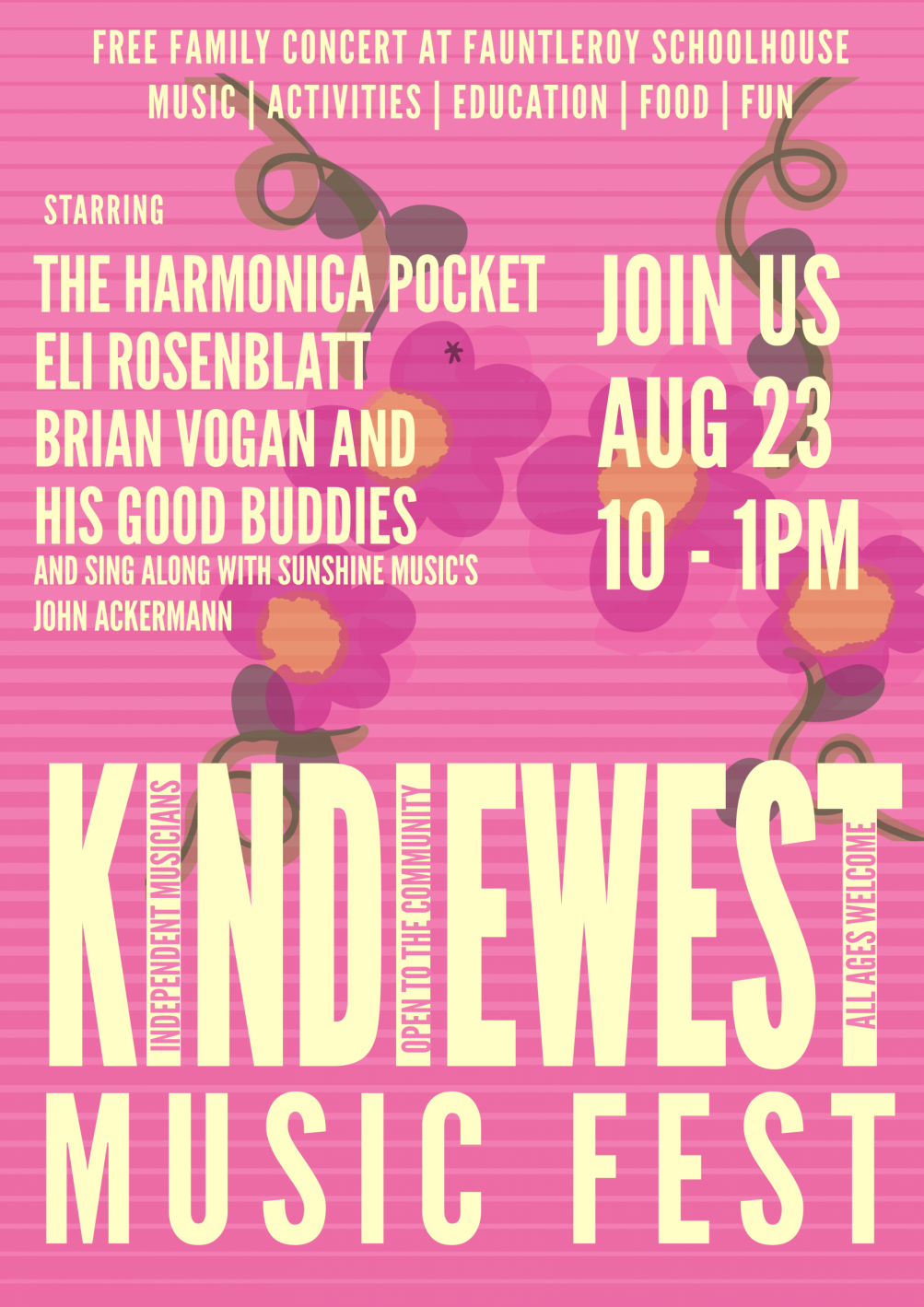
Three featured indie acts plus a singalong, 10 am to 1 pm Sunday, along with “an instrument petting zoo and local food-truck favorites.” Though it’s free and no ticket/RSVP is required, organizers with Fauntleroy Community Service Agency and Fauntleroy Children’s Center note, “we will be accepting donations to (the center) as part of our tuition scholarship fund for families in need.” The historic schoolhouse is at 9131 California SW.
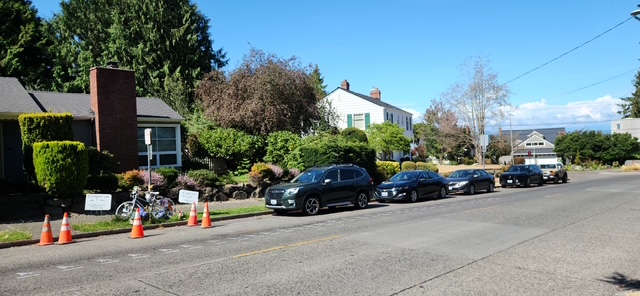 (This morning, SW Wildwood site where Maridee Bonadea died. WSB photos by Torin Record-Sand)
By Tracy Record
West Seattle Blog editor
Two months after bicyclist Maridee Bonadea died on SW Wildwood Place a short distance uphill from the Fauntleroy ferry dock, SDOT reps promised last night that they’d initiate some changes within “a few weeks.”
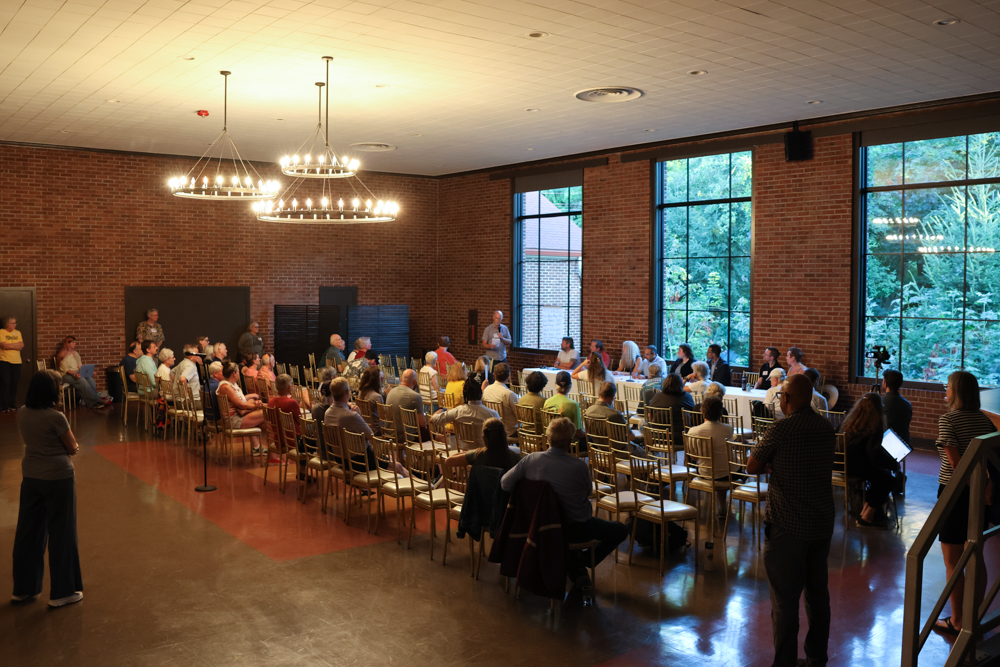
The promise came during a public forum coordinated by the Fauntleroy Community Association, and while community members in attendance were glad to hear it, many said it wasn’t enough. Given that changes were recommended on this stretch of road at least six years ago – recommendations that went unheeded then – they urged the panel of city, state, and county officials to take proactive action elsewhere.
We recorded the entire forum, held at The Hall at Fauntleroy – here’s the video, followed by our summary:
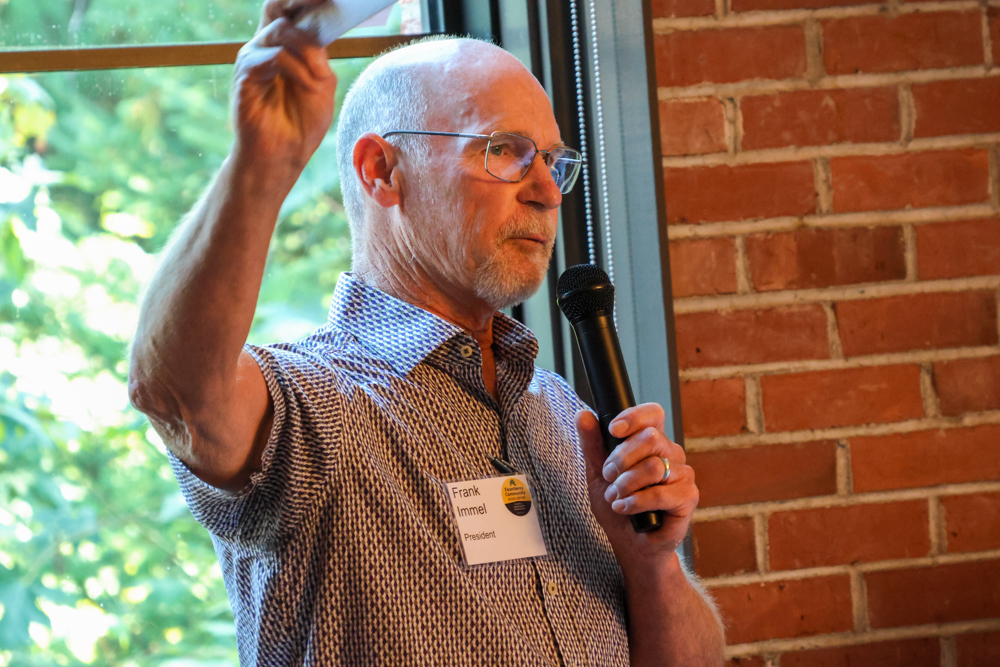
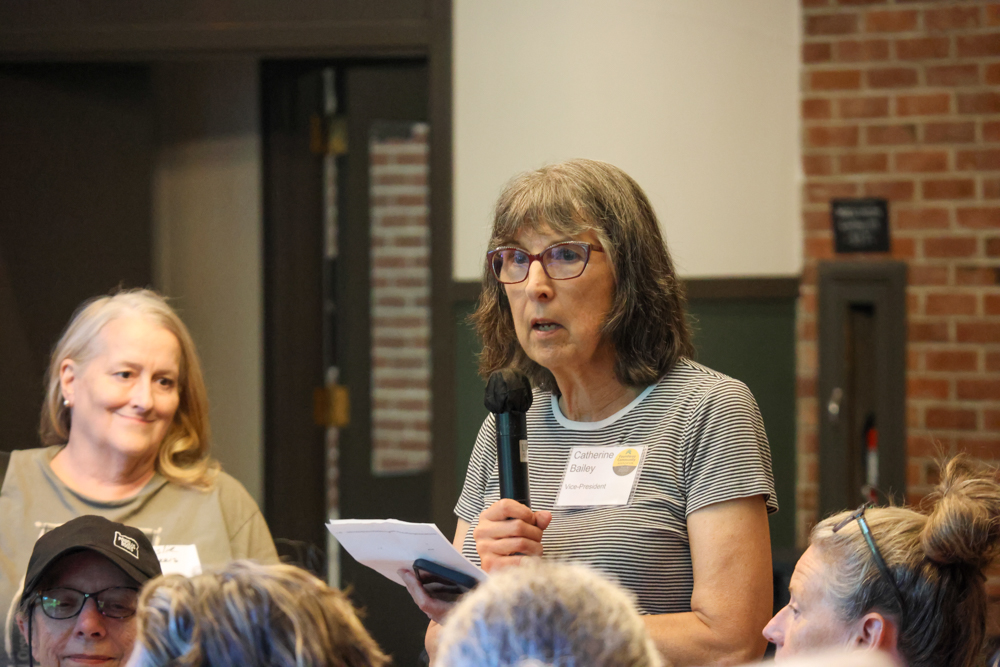
The forum was moderated by FCA president Frank Immel and vice president Catherine Bailey:
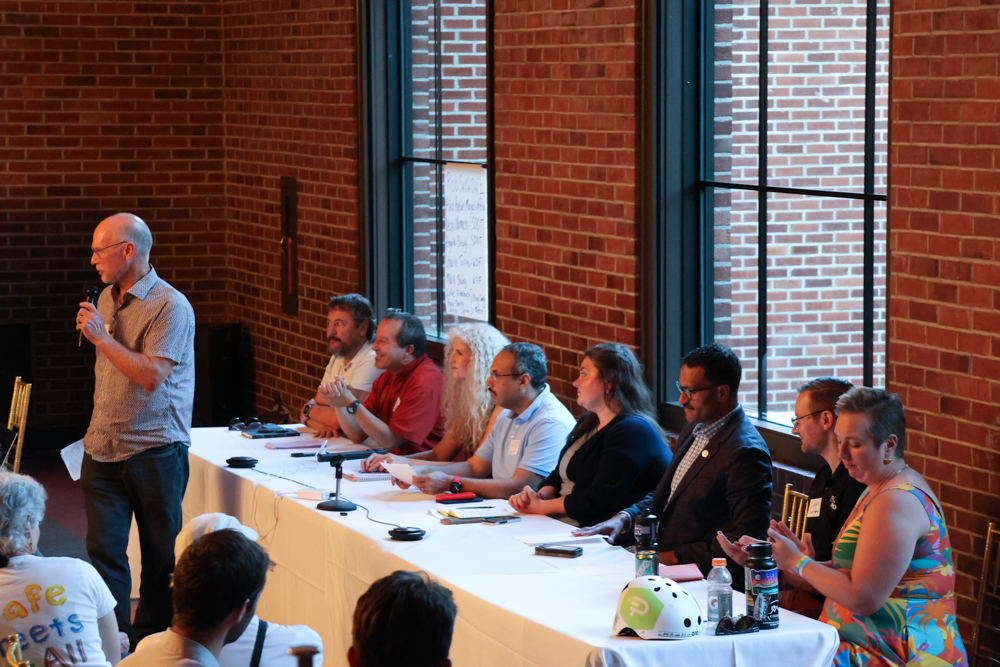
Here’s the panel, with reps from SDOT, Washington State Ferries, Metro, Mayor Wilson’s office, and City Councilmember Rob Saka (who said he arrived late because of a marathon council meeting):
First to speak was Ms. Bonadea’s daughter Lani, who said, “I want to believe that you all care about making the streets safer …” but it was “disheartening” that nothing had been done yet, even with a mayoral resolution about bicycle safety the month before the collision.
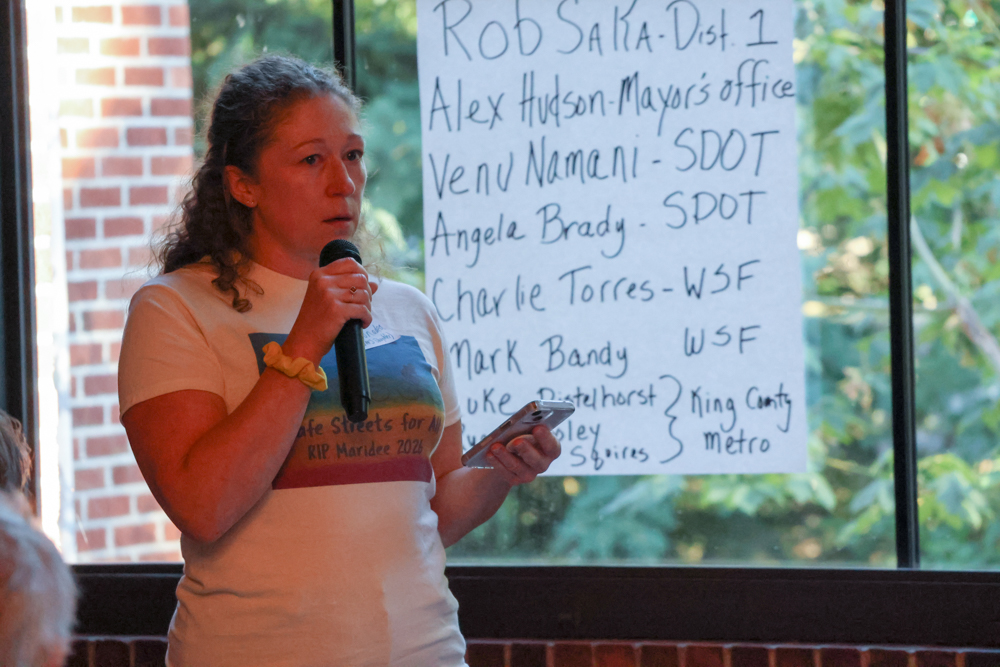
She also said that while her mother was an amazing person who “did a lot for a lot of people,” that shouldn’t be the reason safety is improved – it should be done on behalf of everyone. “I don’t uderstand why that street has been allowed to function.”
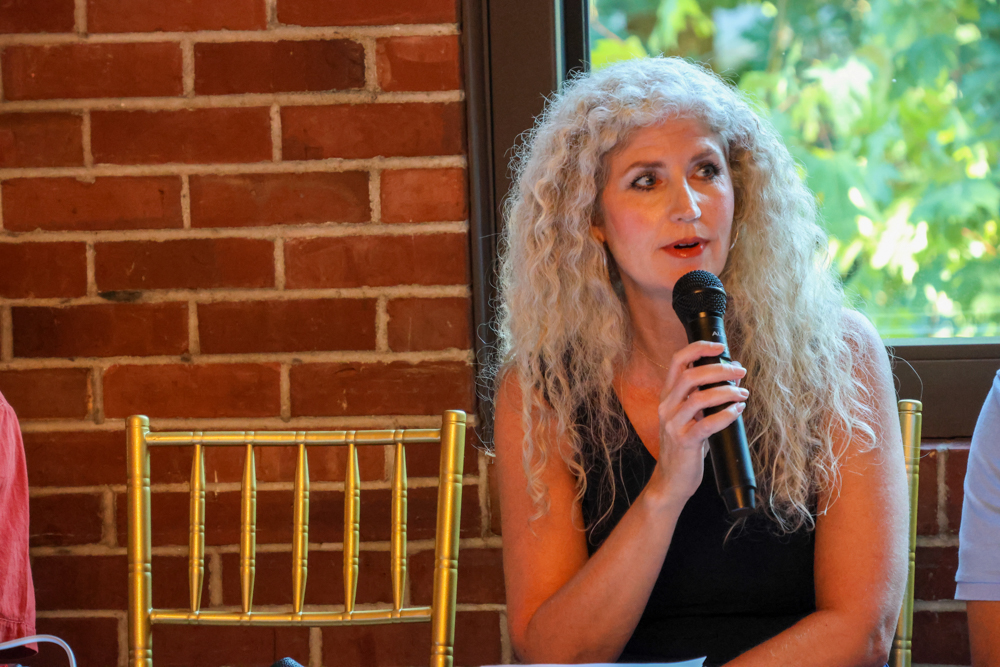
The first panelist to speak was SDOT director Angela Brady, who said her department had a “new policy” for reviewing sites of fatal crashes (although there had been previous policies, we note from our coverage of recent incidents).
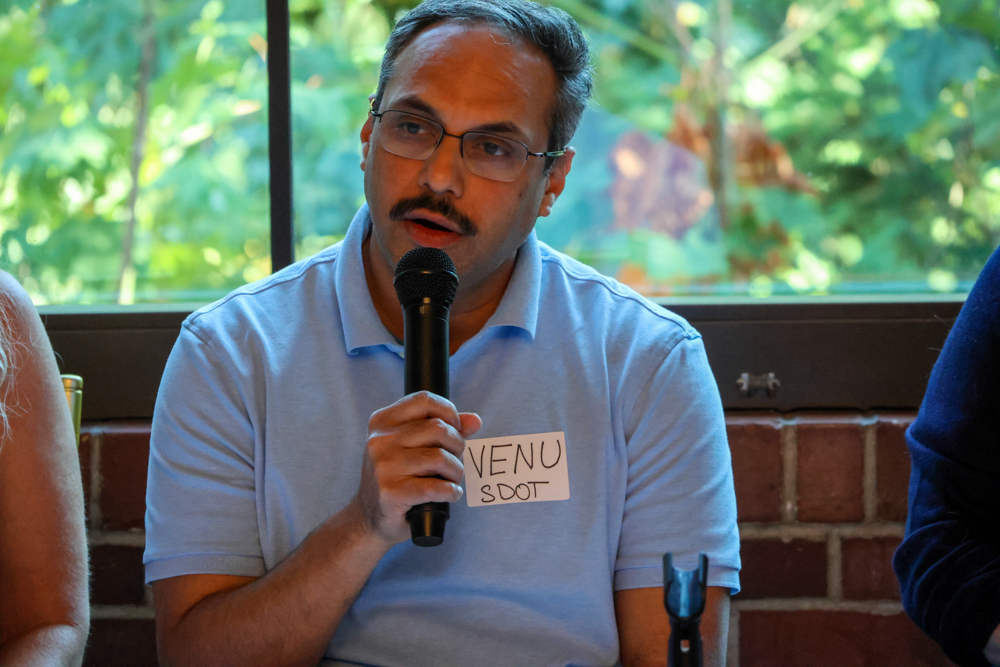
SDOT’s safety officer Venu Nemani also spoke about a “new process and policy,” including a semi-annual review of all walking and biking-related collisions in the city.
Then came some specifics for this site: Removing parking on the south side of that block of SW Wildwood (which would include the area where Ms. Bonadea was killed), a new all-way stop at Fauntleroy and Wildwood, and a bike lane. Nemani said SDOT is “working on the conceptual design” for this, and insisted, “We hear you” about wanting safety concerns to be addressed sooner rather than later. (The two-week promise for parking changes later drew a suggestion from a community member that the parking removal could be done overnight – “just put up A-boards.”)
Councilmember Saka spoke next, declaring “this is sobering stuff”:
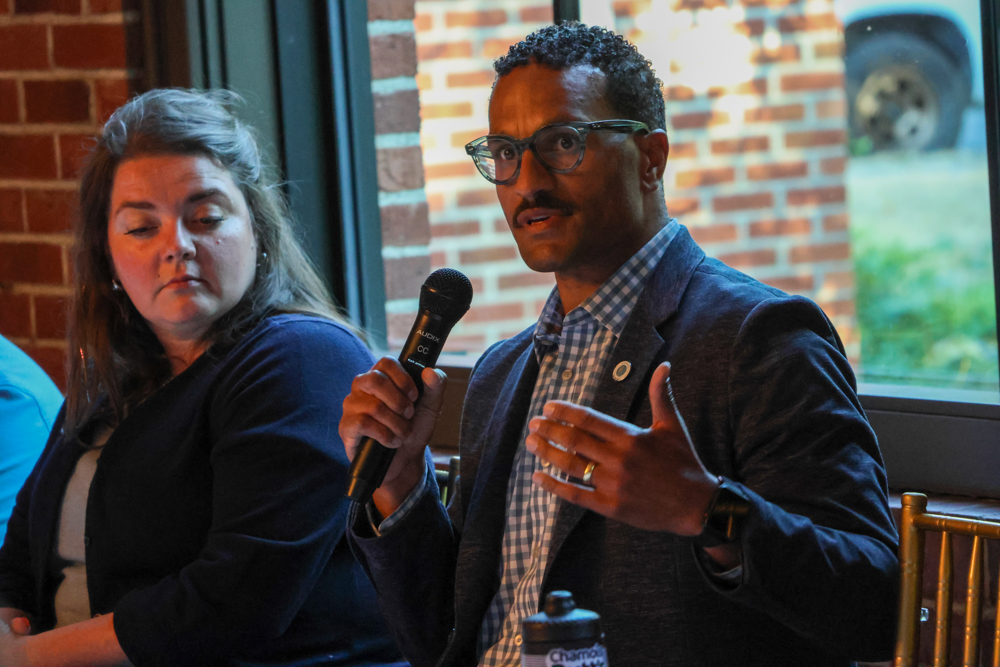
He said he’s working on “traffic-safety legislation” that would take a broader look at related safety challenges, citing advocates’ request for more daylighting of intersections, side guards on trucks, and mandatory Vision Zero reviews.
Ms. Bonadea’s widow Laura then spoke.
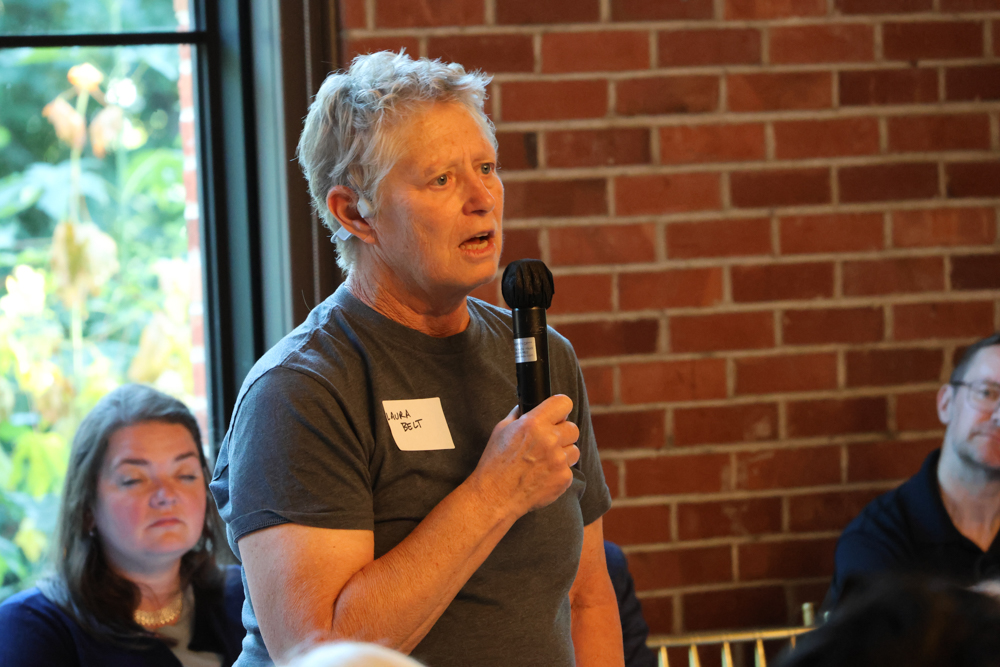
Like her wife’s daughter, she said it’s not just that exceptional people like Maridee “deserve to live” – everyone does. Why wait for a fatal crash? She urged action on problems all over the city, including “bike lanes that suddenly end. SDOT “needs to be proactive, before (more) people die. “I want to see some action” – quickly, urgently, she said.
That’s when Nemani promised the parking removal would be done “in the next few weeks.”
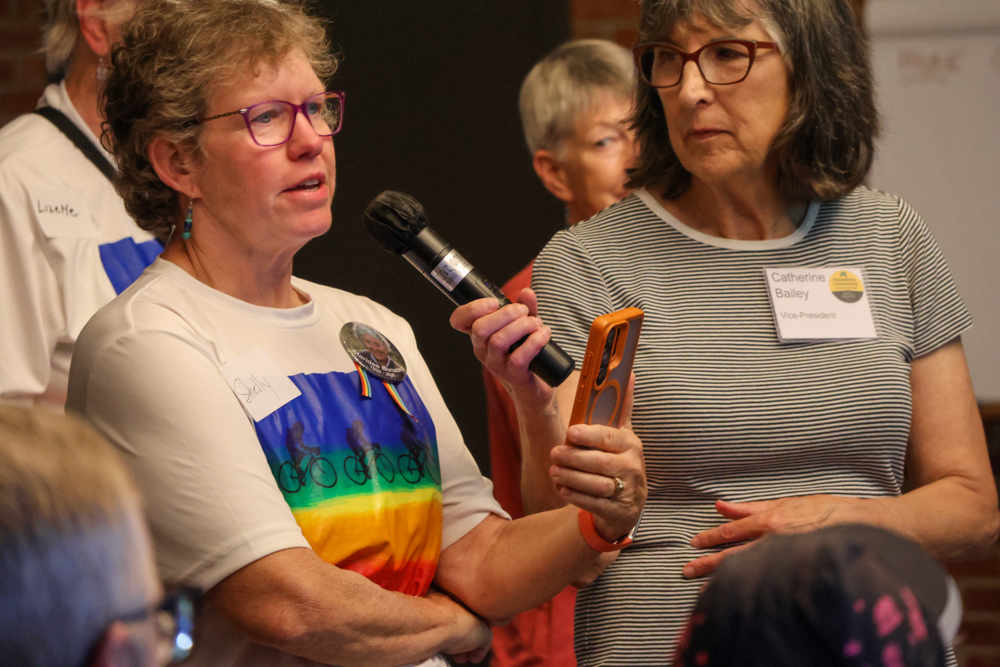
Friends of Ms. Bonadea from the Rainbow Riders group reiterated that urgent action is called for, in other areas with safety challenges too.
Alex Hudson from the mayor’s office assured attendees that her boss wants fast action too.
Some of the problems that community members surfaced were beyond fast action, maybe beyond any action at all, like the declaration that the root issue here was “a ferry dock in the middle of a commmunity,” and no dedicated space for vehicles to line up, just curbspace shared with parked vehicles.
Dock-related concerns were addressed by the WSF reps, primarily via a reminder that a traffic signal is going in later this year where the dock meets Fauntleroy Way.
Other comments included an observation about who was not at the meeting – West Seattle community advocate Leslie Harris, noting she had recently retired from the legal profession, said the City Attorney and a “risk manager” should have been present, as incidents like this can not only lead to devastating loss of life, they can lead to multi-million-dollar lawsuits. She observed, “Sometimes litigation is the only thing that moves bureaucracy – it won’t bring back people (but) will make things happen.”
The demand for action was echoed by numerous attendees. Related issues were surfaced as well, such as the need for enforcement of laws and rules that already exist. More known danger spots were described, including Beach Drive. Another repeated request: Keep the community in the loop as design concepts are developed and timelines are developed. SDOT promised they would. Director Brady also said the community’s help is needed to answer questions of, after parking removal and bike-lane installation, where would families pick up students that ride the ferries to and from Vashon schools?
There also were repeated calls for revisiting work that already had been done but was not acted on – like a 2020 report recommending removal of the Wildwood parking, and long-shelved projects like Fauntleroy Boulevard (in The Triangle). There were questions seeking to clarify processes – how do all the involved departments and agencies communicate? They already have “interagency meetings,” replied Brady.
Speakers made other requests – paint the curb red, once parking is removed; install boulders to reinforce borders with the curbspace; put in speed cushions before the curve onto Fauntleroy … the list went on. Beyond suggestions, the community’s role in what happens next was stressed, too. Community member Robert Pluma declared, “I see a community ready for action.’ And FCA president Immel closed out the meeting with a reminder that “as a volunteer organization, we need your help … we want to see change happen.”
WHAT’S NEXT: SDOT promised to communicate about how and when that change will happen; FCA promised to help circulate that information. And we’ll be following up too.
ADDED 4:09 PM: Since we went to SW Wildwood late this morning and saw no changes, there’s been one. FCA VP Bailey tells WSB via email that temp no-parking signs have since been put up, from Fauntleroy to 36th: “They heard us!” (Wednesday photo added)
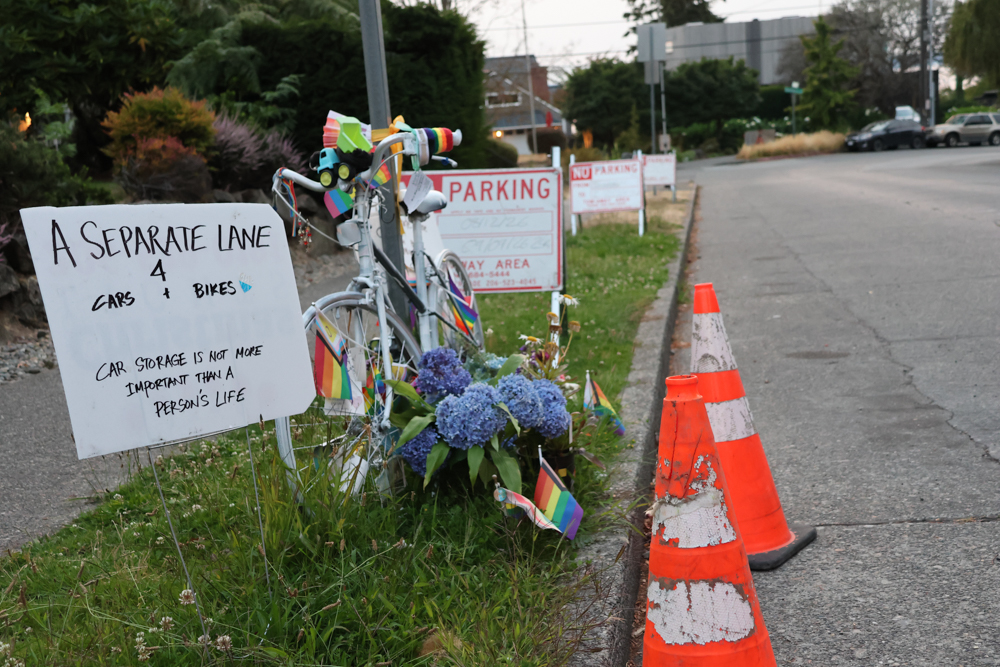
 (WSB photo, June 15)
Though this is usually the quiet time in summer’s final weeks, not this year. Major events this week will include the community forum Tuesday night (August 11) on making Fauntleroy safer for bicycle riding, after two deaths in a little over two years, most recently Maridee Bonadea on Wildwood Place, uphill from the ferry dock, in June. All are invited to participate Tuesday night, 6-8 pm at The Hall at Fauntleroy (south end of the historic schoolhouse, 9131 California SW). We published first word of the forum plan on July 31st; the Fauntleroy Community Association and Ms. Bonadea’s family finalized the plan a few days later. They expect elected officials and representatives of SDOT and WSDOT to be in attendance. They also have drafted a suggested message to all of the above to express support for safety improvements (find it added to our original report about the forum date).
Registration is open for a new free robotics program for 9- to 15-year-olds, offered by the West Seattle YMCA and NUCOR (both WSB sponsors) – free, with limited space. Here’s the announcement sent to us to share with you:
The West Seattle YMCA and NUCOR are excited to partner and provide a STEM Robotics Program for youth in our community. Using the FIRST LEGO League curriculum, participants will engage in hands-on STEM learning, teamwork, and robotics competition.
Key Program Details:
Dates: August 2026 – November 2026 (with potential to advance to regional and state competitions through April 2027).
Schedule: Every Tuesday and Thursday evening from 6:00 PM – 8:00 PM
Location: Fauntleroy YMCA (9140 California Ave SW)
Eligibility: Youth between the ages of 9 and 15
Capacity: Limited to 4 teams of 6 participants (24 spots total).
Please note: Registration is strictly first-come, first-served. Once all 24 spots are filled, subsequent registrants will automatically be placed on a waitlist.
Here’s the registration link.
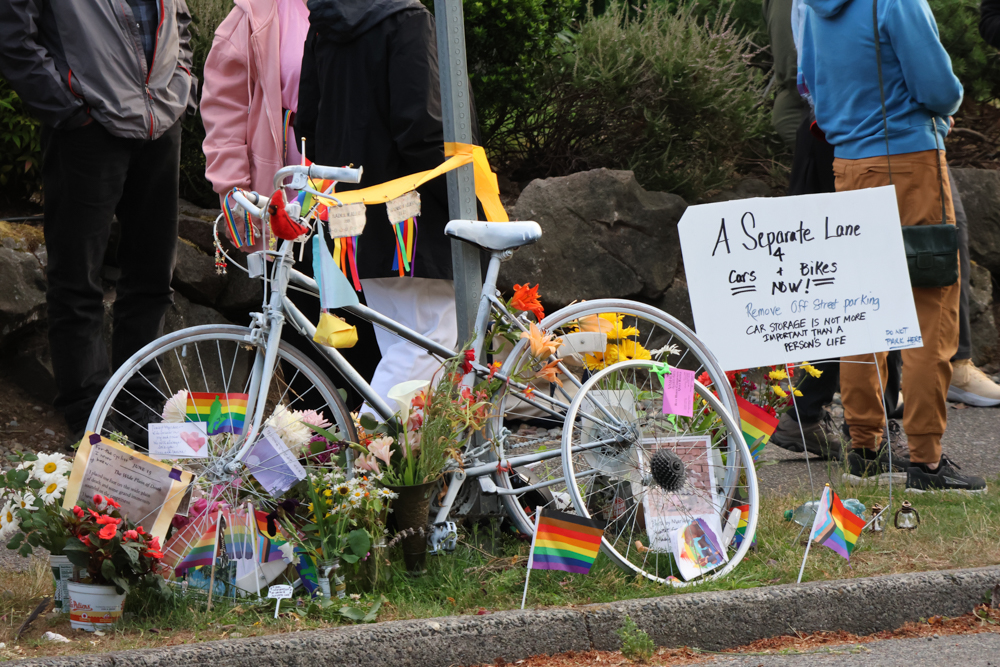 (WSB file photo, ‘ghost bike’ memorial for Maridee Bonadea)
ORIGINAL FRIDAY REPORT: Details and participants are still being finalized, but the date is set for the Fauntleroy Community Association‘s promised public forum about bicycling safety, after the death of Maridee Bonadea last month on SW Wildwood. The forum is set for 6 pm Tuesday, August 11, at The Hall at Fauntleroy (9131 California SW, south end of the historic schoolhouse). FCA vice president Catherine Bailey says they plan to “hear from the family and supporters of Maridee Bonadea, the cycling community, and representatives from the city council, WS Ferries, SDOT, and others. We’ll publish an update when more details are locked in. Here’s our coverage of FCA’s initial discussion at their board meeting earlier this month.
ADDED SUNDAY: FCA and Ms. Bonadea’s family are also circulating this letter to city officials and asking for others to join the campaign:
Dear Seattle Mayor Katie Wilson and Councilmembers Rob Saka, Dionne Foster, and Alexis
Mercedes Rinck,On June 15th, bicyclist Maridee Bonadea was killed in West Seattle. This tragedy was preventable. The dangerous road conditions that contributed to her death have been recognized – but unaddressed – by the Seattle Department of Transportation.
This is an emergency that needs immediate action. SDOT must immediately exercise its authority to permanently remove the street parking on SW Wildwood Place, between Fauntleroy Wy SW and 47th Ave SW. To do this we are requesting “No Parking” signs and paint to eliminate legal parking for approximately 4 cars.
The removal of parking and implementation of bike lanes on Wildwood Place was promised in 2020. It was considered a low cost project. Bike lanes are also included in the 2024 Seattle Transportation Plan and are in line with Vision Zero goals. The community has asked for these improvements for years. Enough.
According to the 2024 Vision Zero Update, the Southwest Seattle Council District has the highest percentage of serious and fatal crashes in the city. We cannot lose more of our community members while we wait for safe, complete, connected bike routes in West Seattle.
In addition to the immediate action requested, I support the Seattle Street Alliance call for three city-wide actions to save lives:
1. Improve visibility at intersections – by removing nearby parking, as on Wildwood
2. Make large trucks less deadly – truck side guards might have prevented two recent bicyclist deaths – those of Maridee Bonadea and Christian Salyer.
3. Make Vision Zero safety improvements a required part of every project review
By Jason Grotelueschen
Reporting for West Seattle Blog
 “Something needs to be done now — not in 3 years — now.”
That was one of the many strong messages expressed Tuesday night by family and supporters of Maridee Bonadea, the Vashon bicycle rider hit and killed in Fauntleroy last month. The family and community members had been invited by the Fauntleroy Community Association board to attend their July meeting at the Fauntleroy Schoolhouse.
The well-attended meeting was chaired by FCA vice president Catherine Bailey (filling in for president Frank Immel). The first half of the meeting was devoted to a discussion of next steps to engage with city leaders to improve safety on local streets (the second half featured crime updates from SPD, as well as FCA board business, scroll down for summaries on those).
FCA is planning a larger public meeting in early August that will be fully dedicated to the bike/traffic safety topic, with plans to invite and involve multiple elected officials, organizational representatives, and community groups.
Bonadea’s tragic death prompted strong community support including a “ghost bike” memorial and Critical Mass bike ride, and has raised questions and concerns from the community and from cycling and safety advocates across Seattle.
(WSB file photo by Torin Record-Sand)
Before opening up the topic on Tuesday night, Bailey called for a moment of silence for Bonadea, then invited family members in attendance to speak. Bonadea’s daughter Lani and spouse Laura described her as a “very safe lifelong rider” who emphasized group safety. Both expressed frustration with the allowed street parking and the lack of “share the road” signage in the area of Fauntleroy where Bonadea was killed, and they emphasized that now is the time for action. Lani said that although she appreciated the FCA meeting attendees’ respect and moment of silence, “my mom was not silent” when it came to issues that she believed in, and that it’s crucial that the community take action. Laura echoed that sentiment, describing herself as a longtime county employee with 35 years of experience in county government, and urged attendees and the broader community to come together to demand improvement. The family said they’re planning a memorial service for Bonadea in early August, and they thanked meeting attendees for their overall support. Family and attendees also emphasized that Bonadea’s death was not an isolated tragedy in the Fauntleroy area, with, for example, another “ghost bike” memorial just up the road on Marine View Drive.
The discussion was then opened up to other meeting attendees, and here’s a summary:
Before transitioning to the remainder of the meeting, attendees talked about plans for an early-August safety meeting hosted by FCA (the board typically doesn’t meet in August, but they plan to use that general timeframe next month to instead host this one-topic forum). The purpose would be to convene all relevant agencies and stakeholders to identify immediate and longer-term safety actions for cyclists and pedestrians near the ferry corridor and throughout Fauntleroy (and the broader community). FCA will work with stakeholders to identify the best date, and will communicate that promptly to its members and the community. There was agreement to invite representatives from SDOT (Vision Zero), Seattle Police, Metro, Washington State Ferries/WSDOT, elected officials including councilmembers and the mayor, and other West Seattle community associations. Bonadea’s family and other attendees agreed to draft and share letter templates with FCA that can in turn be shared with their members, so that concerned residents can effectively capture and report their concerns to elected officials and leaders.
Before this meeting, WSB had an inquiry out to SDOT regarding the status of their initial review of the site, and this is the response we received:
SDOT Vision Zero Team completed their initial site review. That review focused on documenting existing site conditions and identifying any immediate maintenance, or roadway issues at the subject location. Our site review did not identify anything that required immediate corrective action, like downed signs or faded pavement markings. While the initial review did not identify any immediate maintenance or repair needs, that does not mean the location is not undergoing further safety evaluation. The initial review is the first step in our fatal crash response process. As outlined in our new fatal crash response policy, SDOT is now moving into the next phase of the review process. This phase includes a more comprehensive safety analysis that evaluates the street’s design, operations, and other relevant factors to identify any potential opportunities for safety improvements. In this phase, we will collect traffic data, analyze police-reported crash history and review intersection and roadway geometry. We anticipate completing that review by the end of the summer or early fall.
Back to the FCA meeting; After this topic, some of the meeting attendees and guests departed (all were invited to stay, and some did), and the second portion of the FCA meeting began:
SPD UPDATE: Lieutenant Pat Daly, who joined the Southwest Precinct in early May but is a 19-year SPD veteran, provided an update with help from community service officer Jamie Heslin. Daly reported that the SW Precinct (West Seattle and South Park) posted the largest year-over-year crime drop amongst the city’s five precincts:
Daly also spoke about the cyclist crash investigation, saying it’s being handled by the Traffic Collision Investigation team, which has a city-wide caseload. Because it’s an active investigation, details could take time to be finalized. Heslin added that as a CSO she and her colleagues are able to visit with people and offer grief counseling resources and community support.
Another meeting attendee shared details with the SPD officers regarding a recent neighborhood incident at the 9200 block of Fauntleroy Ave SW, in which a homeowner was struck by a vehicle (with no license plates) that had been parked suspiciously on the property. The victim was reportedly in the ICU with a brain bleed, and a neighbor’s security camera captured the event. Daly said the incident didn’t sound immediately familiar to him, but he made note of it for follow-up.
FCA BOARD BUSINESS: The board spent time discussing a number of operational items, including approval of a new FCA board member (Jamison Johnson, who was in attendance and thanked the group for the support), plans for an open house event in September for prospective FCA board members, approval for the group to sponsor two glass floats for the upcoming scavenger hunt event, reinvesting group funds into a CD, and continuing fundraising efforts for the annual Fall Festival.
STATE REP CANDIDATE: Mary Anito, who is running for WA state representative 34th district position 2 (against Joe Fitzgibbon) was in attendance at the meeting, and introduced herself. She described herself as a 16-year resident and FCA member with 3 kids who is “especially passionate about education” and her community. She encouraged people to watch for their ballots (arriving in mailboxes today), with the election in 3 weeks.
The FCA Board meets ten times per year on the second Tuesday of each month, at 6 pm in the Fauntleroy Schoolhouse board room. Meetings are open to the public.
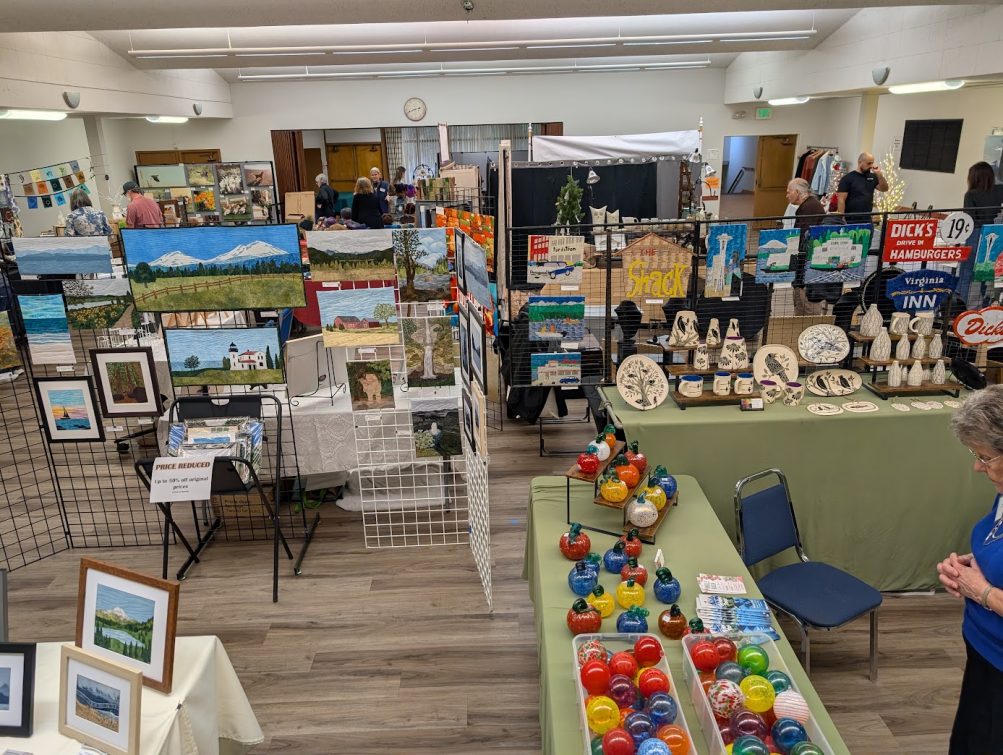 (2025 Fauntleroy Art Show photo by Ana Del Claro)
Here in the heart of summer, planning continues for fall – here’s an alert for local artists:
This fall’s popular Fauntleroy Art Show will be accepting applications through September 4 for the November 13-15 event.
Hosted by Fauntleroy Church, the show has been spotlighting the exceptional creativity and craftsmanship of local artists and artistic crafters since 2008.
Applicants working in any medium must reside in or have studio space in West Seattle, Burien, South Park, Georgetown, or Vashon Island. Find details and the application form at fauntleroyucc.org/art-show.
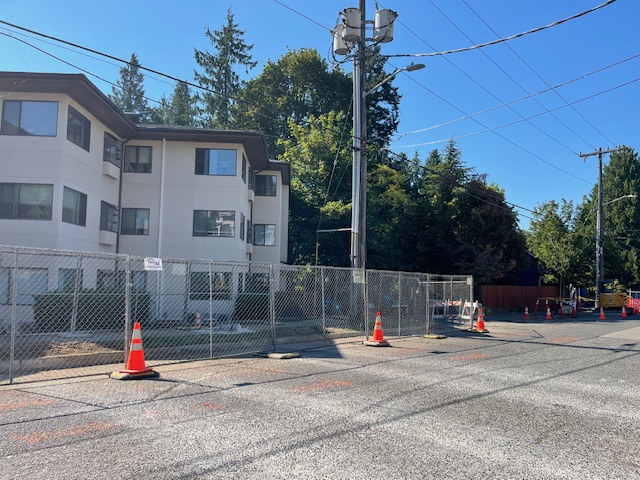
That’s the west side of 45th SW, north of Wildwood, where “early work” in this part of the Fauntleroy Creek Culverts Replacement project is under way, according to a Seattle Public Utilities reminder circulated late today:
Beginning the week of July 6 and continuing for approximately three weeks, crews will continue excavation and utility installation activities within the work area. This work is part of the Early Works phase of the Fauntleroy Culvert Replacement Project.
During this time, crews will use construction equipment, trucks, and materials to excavate the area and install utility boxes for various utility providers.
What to Expect
-Work hours will be 7 AM to 5 PM.
-No street parking will be available within the work area.
-Local access will be maintained.
-Large construction trucks will be entering and exiting the work area to support excavation, drilling, and concrete placement activities.
-Noise, dust, and vibrations.
Major work is currently scheduled to start early next year – that work will close part of 45th for up to two years. The culvert beneath 45th, as well as a section beneath California SW to the east, will be replaced and enlarged in hopes of helping salmon.
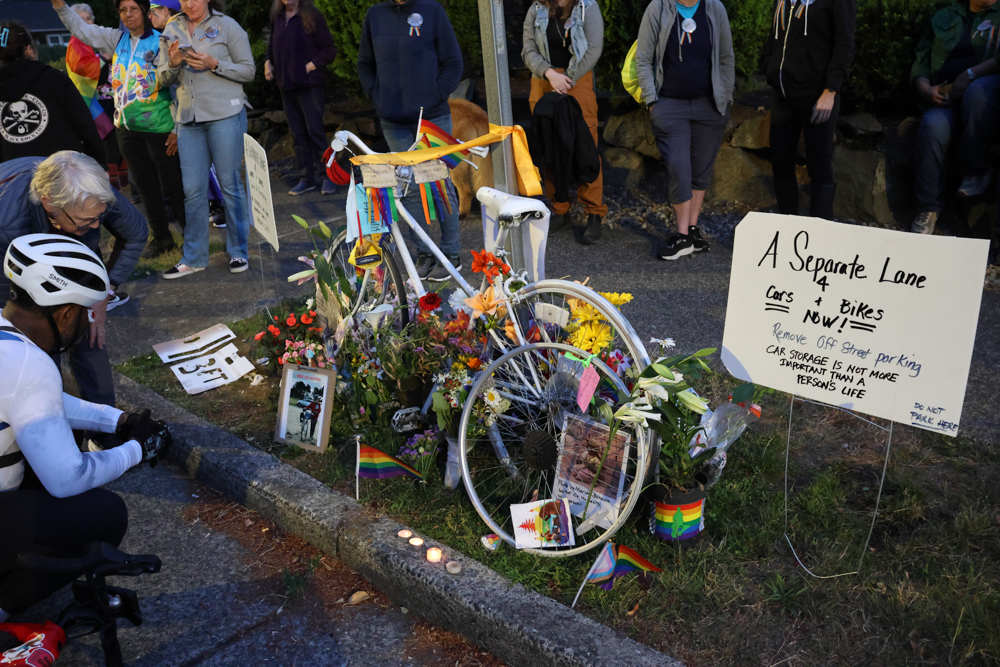 (WSB photo, June 26)
One week after that gathering in memory of Maridee Bonadea, the 76-year-old bicyclist killed on SW Wildwood southeast of the Fauntleroy ferry dock, a nearby resident says she caught someone apparently trying to remove the roadside “ghost bike” memorial. Emailed by Kristi:
We live near the spot where a cyclist was recently run over and killed on SW Wildwood. We just witnessed a man in a truck cutting the chain off of the ghost bike placed in memory of Maridee Bonadea. When we confronted him to ask what he was doing, he nervously mumbled something about removing the chain from public infrastructure. When we asked if he was there as part of that infrastructure he said he was “the neighborhood.” We’ve lived a half block away for 15 years and have no idea who this was or why he was speaking on behalf of “the neighborhood.” He left in a hurry without taking the bike.
Kristi stayed with the bike until her husband returned with a new lock and chain, which are now in place. The man who took the original ones was in a white Ford Explorer, she reports.
 (Photo from kingcounty.gov)
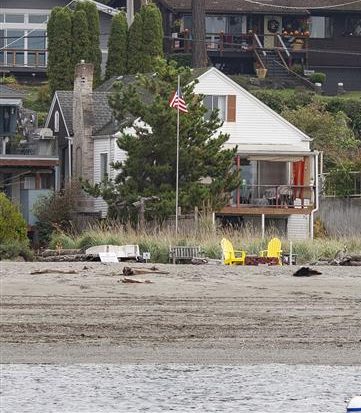
A beachfront house just north of Cove Park has long been planned to be the construction office for the Fauntleroy ferry-dock rebuild. But first, the county – which has owned it since its own project in the area – is selling it to the state, and has to have a public hearing about that. Here’s the announcement sent to us this afternoon:
The Metropolitan King County Council will hold a hearing on July 14 at 1:30 pm to gather public comment on a proposed Ordinance that would allow King County to sell a parcel of land to the Washington State Department of Transportation.
The property is located at 8923 Fauntleroy Way SW, in the City of Seattle, parcel number 3524039112.
Copies of the proposed Ordinance are available upon request from the Clerk of the King County Council, Room 1200, King County Courthouse, 516 Third Ave., Seattle, WA 98104, or by calling 206-296-1020. The ordinance is also available online at www.kingcounty.gov/council/clerk.aspx by searching for proposed ordinance number 2026-0128.
A public hearing on the proposal to transfer will be held before the full Council at the King County Courthouse, Room 1001, on July 14 at 1:30 pm.
The purchase agreement is part of the legislation; it says the state will buy the house for $1.8 million.
(Added post-event, WSB photos by Torin Record-Sand)
7:35 PM: As previously reported, this month’s Critical Mass bicycle ride will stop at “ghost bike” memorials to two riders killed in crashes, including 76-year-old Maridee Bonadea, the Vashon rider hit and killed in Fauntleroy earlier this month. Critical Mass doesn’t publicize its exact route in advance but did say on social media that Ms. Bonadea’s memorial is the first stop, and we just heard an FYI on police radio that “about 100 bicyclists” are southbound from the downtown waterfront. Updates to come.
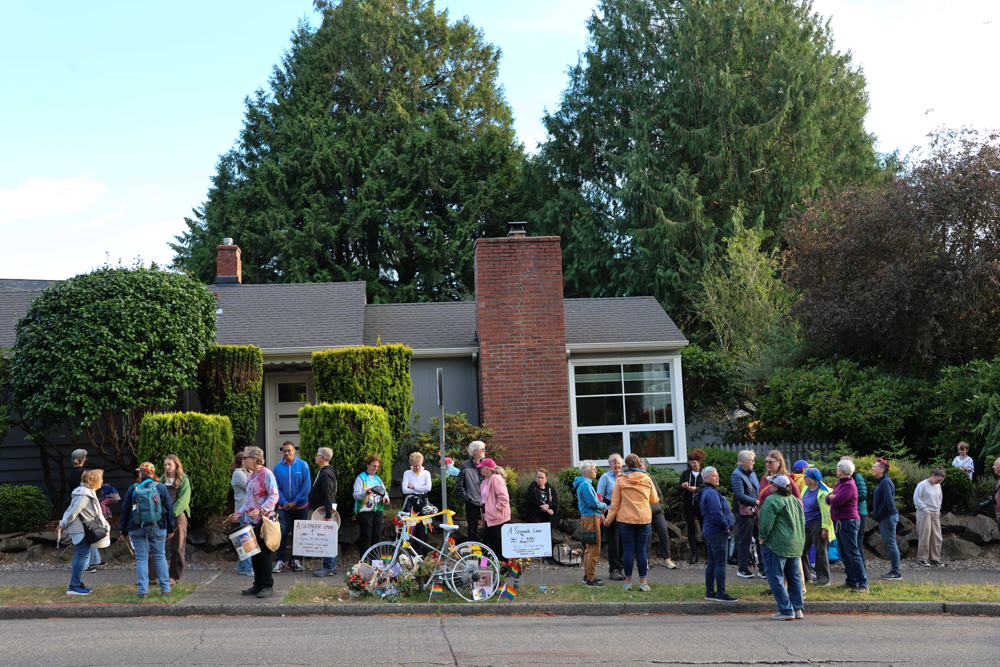
8:18 PM: About two dozen people are already at the memorial site. A commenter says the riders passed through Alki a short time ago.
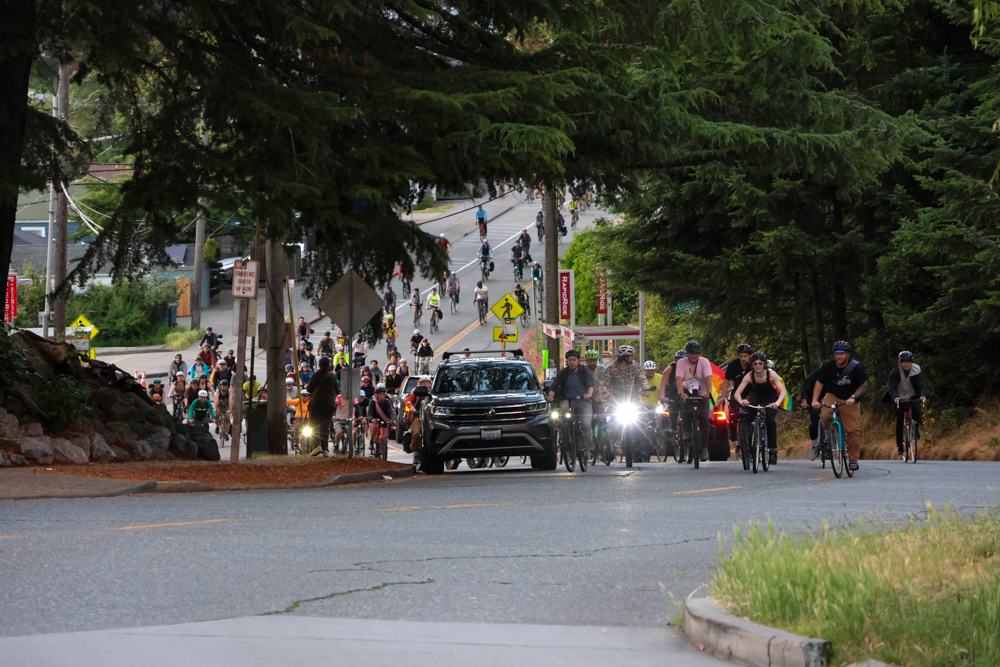
8:49 PM: They’re expected here momentarily.
9:25 PM: The riders plan to leave in a few minutes.
ADDED AFTER OUR RETURN TO HQ: Here’s how the gathering unfolded – first with the rivers’ arrival:
Yes, the riders parked in the street – Critical Mass is a monthly ride that is as much a demonstration as anything else.
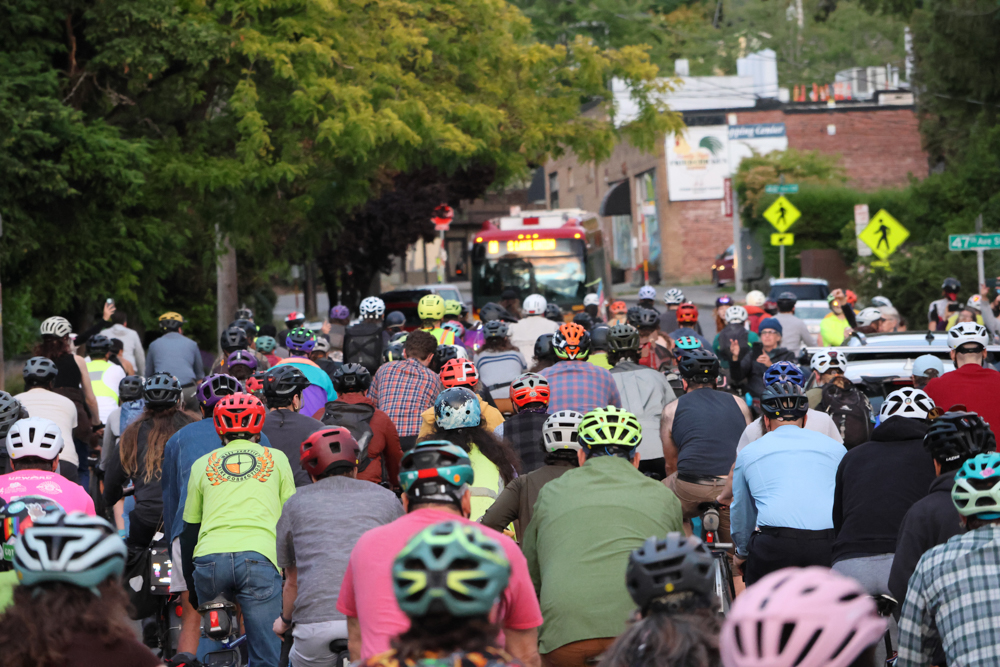
But each time a RapidRide bus appeared, they cleared space, with shouts of “Bus!” and “We support public transportation!”
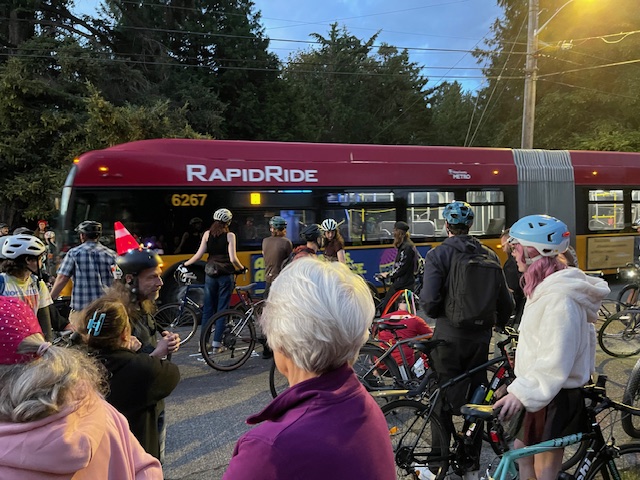
There was no organized program but a few people spoke – first with memories of Maridee from her daughter:
City Councilmember Rob Saka had been there quite some time before the riders arrived, and after scattered voices in the crowd called for city action to make the street safer – specifically, removing parking – he was asked to speak, and he did.
He didn’t make any commitments to specific actions, though, and that was a subsequent point of contention shortly after the moment of silence he called for – her daughter shouted out that her mom liked to raise hell and that it was time to do that over the need for safety:
One person took the safety push literally to the street:
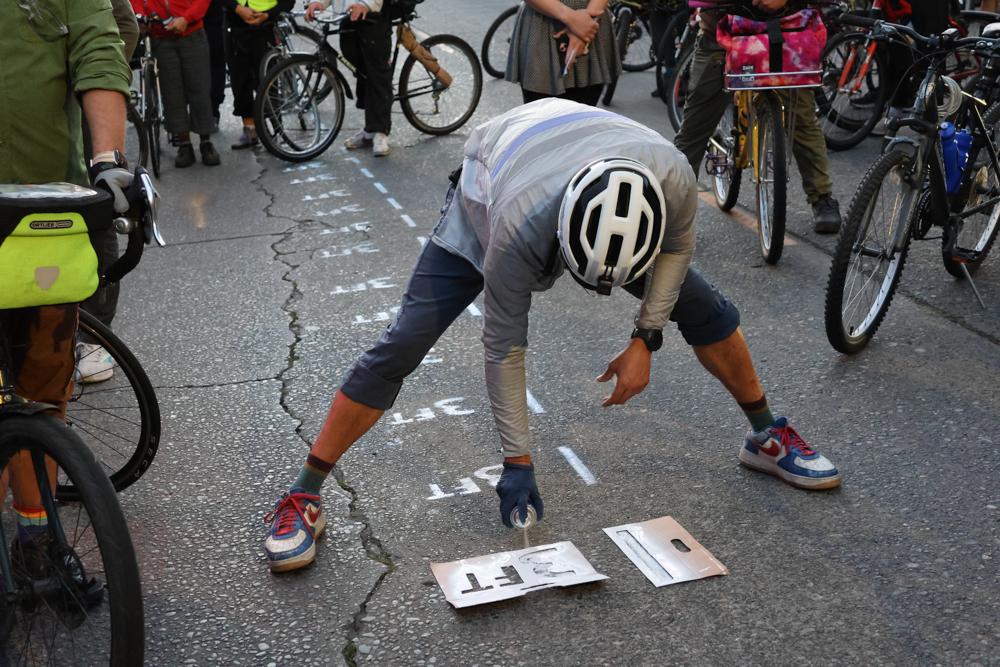
They left just after 9:30 pm, headed for a “ghost bike” at the scene of another rider’s recent death, and a stop to honor a third recent crash victim.
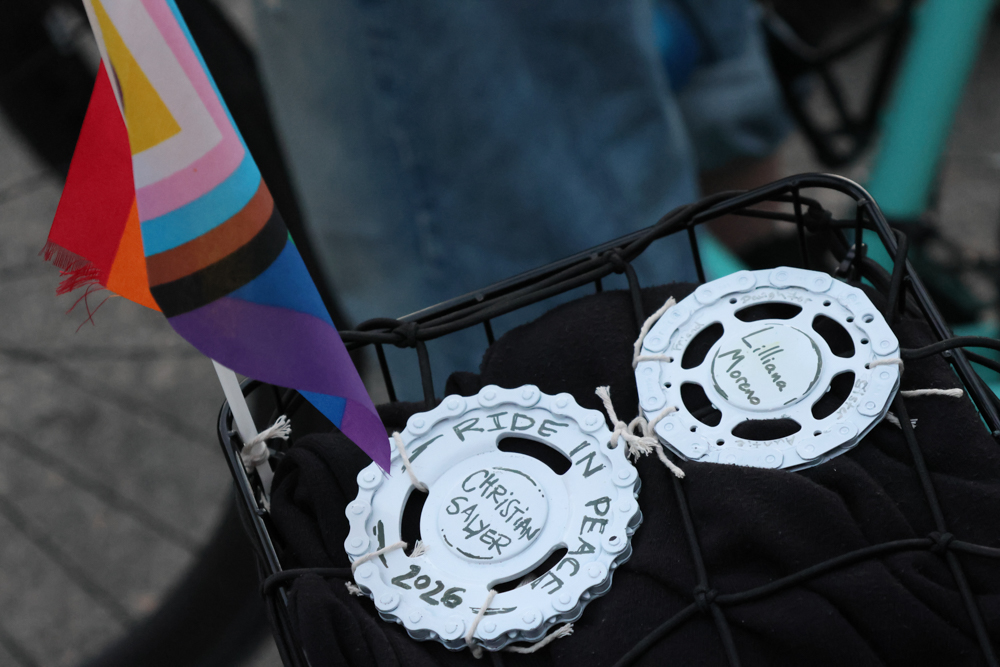
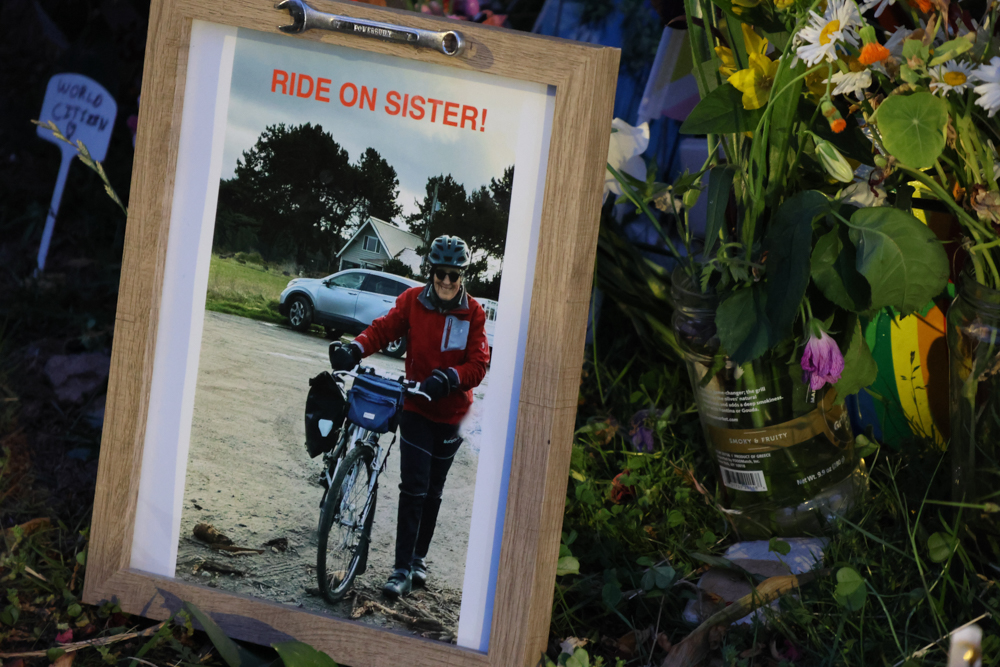
As you heard in one of our video clips, advocates plan to ask for the Fauntleroy Community Association‘s support at the next FCA meeting and say they have been added to the agenda. That meeting would be 6 pm Tuesday, July 14, at Fauntleroy Schoolhouse (9131 California SW).
9:02 AM: Just after 4 am, a briefly big Seattle Fire response was sent to the 8800 block of 38th SW [vicinity map] in Upper Fauntleroy. SFD spokesperson Kaila Lafferty says the fire was on the stairs and deck of a townhouse – one of several relatively new homes on the block – but firefighters “got it out quickly and started releasing crews.” No injuries. And no word yet on the cause.
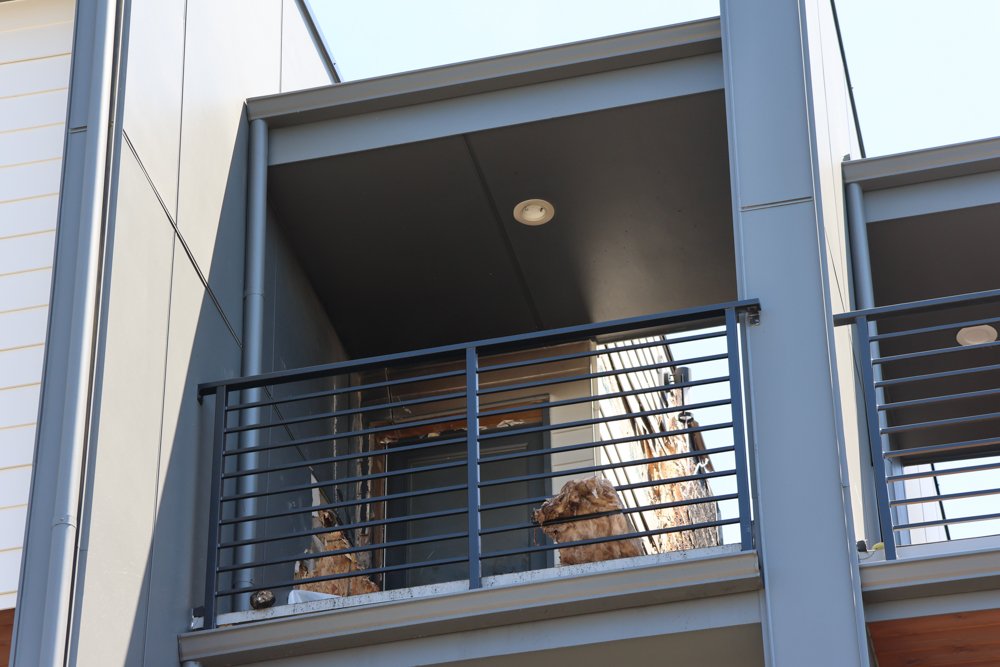
11:57 AM: We have that now, from spokesperson Lafferty: “The cause was determined accidental. The fire was in an unoccupied duplex and was likely caused by faulty or damaged electrical wiring inside of wall smoldering through the stud and joist spaces. It spread to the stairwell, leading to a rooftop patio.”
By Anne Higuera
Reporting for West Seattle Blog
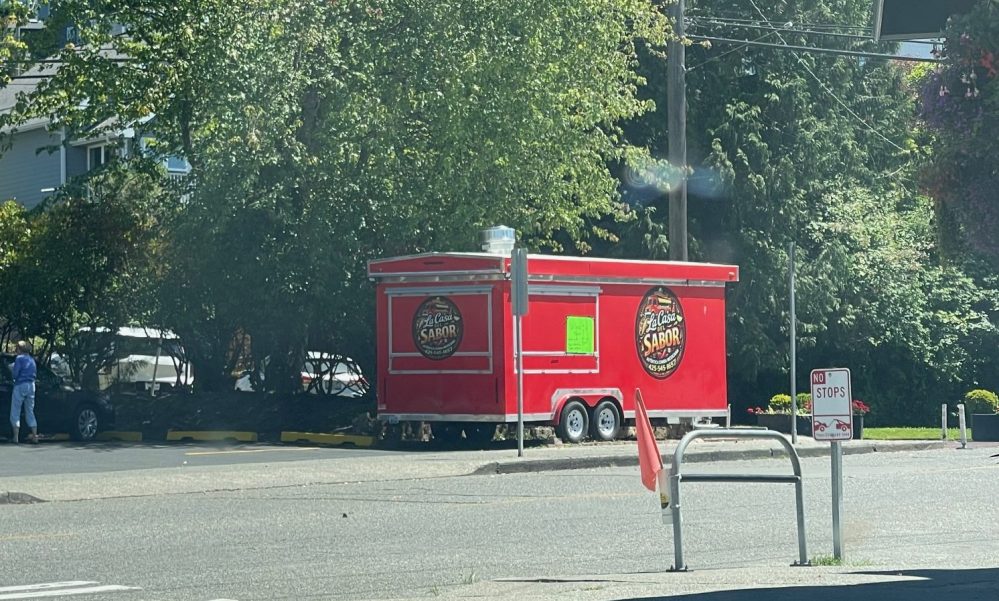
Starting at 11 am this Saturday, La Casa Del Sabor (parked at 9256 45th Ave SW) – which we first told you about last night – will be open for business, offering Mexican standards and some family specialties in the neighborhood for the first time since El Camion left the space in 2024.
The opening is the culmination of more than a year of planning that co-owner Monica Trujillo Cortez says started with a simple question from her sister: “Why don’t we just open our own?” She says they had both worked in restaurants and food trucks for a number of years, and had also both worked at different El Camion trucks. “It was time to do our own.” When the sisters decided to make a go of it, their plan was to find a location in Renton, where they live, but they couldn’t find a spot that would work. That’s when they started looking further north, and discovered that the Fauntleroy space was still vacant. They now have a year lease to start.
Though the truck won’t open until late morning, the menu has breakfast plate options, including green chilaquiles. There’s a wide range of standards — tacos, burritos, quesadillas, gorditas, mulitas, tostadas, nachos, and tortas— “everything made to order,” with a choice of meats or vegetables. But Trujillo Cortez says what sets them apart is some of their specials: “We have stuffed mushrooms with chicken and cheese, served with pasta and a green sauce.” Their “house specialities” menu also includes a Colombian red bean soup with pork trotters, a green enchilada plate, and a shrimp ceviche. While not on the menu yet, they are also planning a barbacoa made from a family recipe, with lamb, beans and rice and a side of tortillas. Some of the dishes will come with house-made tortillas — they’re still working out which ones. There are burrito and quesadilla options for kids as well.
Beverages will include sodas, horchata, and a revolving list of aguas frescas. Sides of chips and guacamole, beans and rice, and roasted jalapeños are also on the menu, and for those with a sweet tooth, churros round out the options.
Trujillo Cortez says she’s already had people stopping by to talk this week as they work to get the truck ready for its first day of business. They’ll be open 7 days, from 11 am to 8:30 pm. She says they will be on social media channels for updates on things like specials, and are still looking into the possibility of making their menu available with food-delivery services.
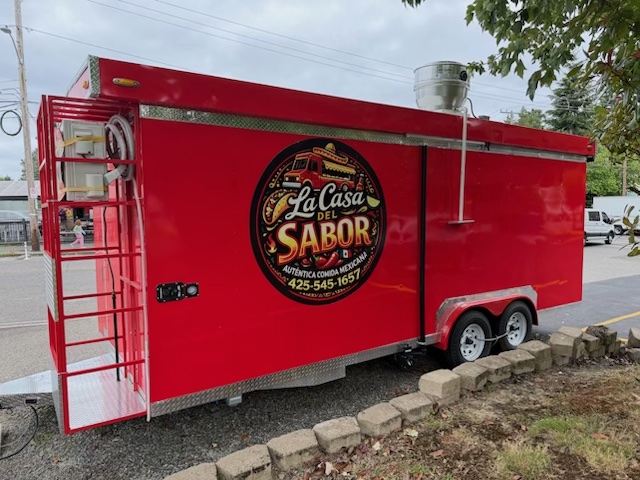
Thanks for the tips! Ever since the La Casa del Sabor trailer turned up parked at the same spot vacated by El Camion two years ago, we’ve been trying to reach them to find out their plan. Went by again tonight after sunset and discovered a new sign on the truck:
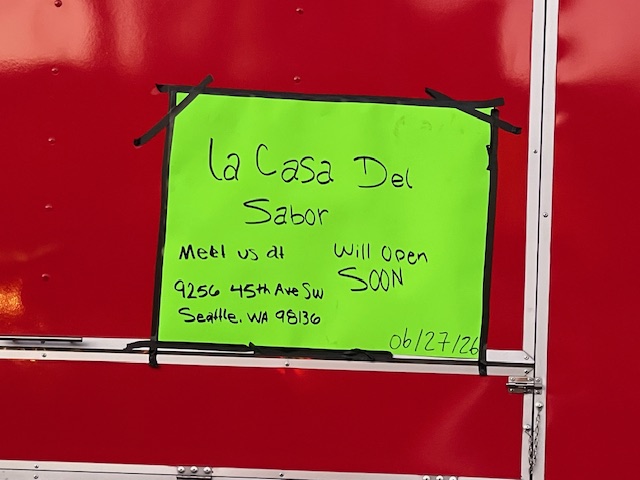
So there you have it. If the opening date is indeed 6/27, that’s next Saturday. We’ll update when we hear back.
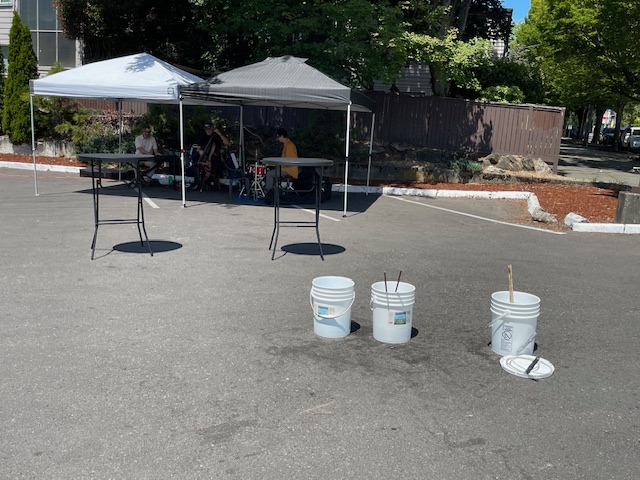
Whether you’re celebrating Father’s Day, the first day of summer, or perfect weekend weather, you’re welcome to join the party outside Super Deli Mart (35th/Barton, northwest corner), now until 4 pm. Kids’ activities including bubbles (buckets full and lots of room, as shown above), and draft beer for sale inside the store with part of the proceeds helping keep the Fauntleroy Fall Festival free! The Grunge Trio is playing outdoors, living up to their name with a jazzy version of “Black Hole Sun” while we were there.
This year’s festival – set your calendar! – is Sunday, October 18. If you can’t get to today’s benefit, you can donate to the festival online here!
 (WSB photo from 2025 Fauntleroy Fall Festival fundraiser @ Super Deli Mart)
Two updates tomorrow for a party that’ll be a fun way to celebrate the first day of summer and Father’s Day while supporting a fall tradition: The Super Deli Mart party benefiting the Fauntleroy Fall Festival is now 1-4 pm Sunday at 35th/Barton, where they’ll turn their lot into a beer garden, and it’ll include live music by The Grunge Trio. This is an all-ages celebration, including bubbles and other activities for the kids. This fundraiser will help keep the Fauntleroy Fall Festival (October 18 this year) free – the festival’s powered by donations and volunteers – with 20 percent of draft-beer sales during the event going to the festival. Stop by Super Deli Mart, northwest corner of 35th/Barton, any time 1-4 pm Sunday.
| 1 COMMENT